
Pickleball Court Dimensions - Everything You Need To Know
Have you heard of pickleball? It's a fast-growing sport that combines elements of tennis, badminton, and table tennis. Pickleball can be played indoors or outdoors, and one of the key factors in creating a successful pickleball court is getting the dimensions just right. In this article, we will provide you with a comprehensive guide to pickleball court dimensions, covering everything from the size of the court to the dimensions of the net and the kitchen area. So, whether you're a beginner looking to build your own pickleball court or a seasoned player interested in the official dimensions, read on to find out all the details.
The Overall Size of a Pickleball Court
Pickleball courts may vary in size depending on whether they are designed for singles or doubles play. Here are the official dimensions for both types:
Singles Court:
- Width: 20 feet
- Length: 44 feet
Doubles Court:
- Width: 20 feet
- Length: 44 feet
As you can see, the width of the court remains the same for both singles and doubles play. However, the length is slightly longer in doubles play to accommodate the additional players. It's important to note that these dimensions apply to the playing area only and do not include any additional areas such as the out-of-bounds lines or non-volley zone.

The non-volley zone, also known as the kitchen area, is a key feature of pickleball courts. This zone is a rectangular area that extends 7 feet from the net on either side. Its purpose is to prevent players from hitting volleys close to the net, promoting strategic gameplay and minimizing the risk of injury.
The dimensions of the non-volley zone are as follows:
- Width: 20 feet (Same as the overall court width)
- Length: 14 feet (7 feet on each side of the net)
Within the non-volley zone, players are not allowed to hit volleys, meaning they must let the ball bounce before returning it. However, players can step into the non-volley zone to play balls that bounce in this area.
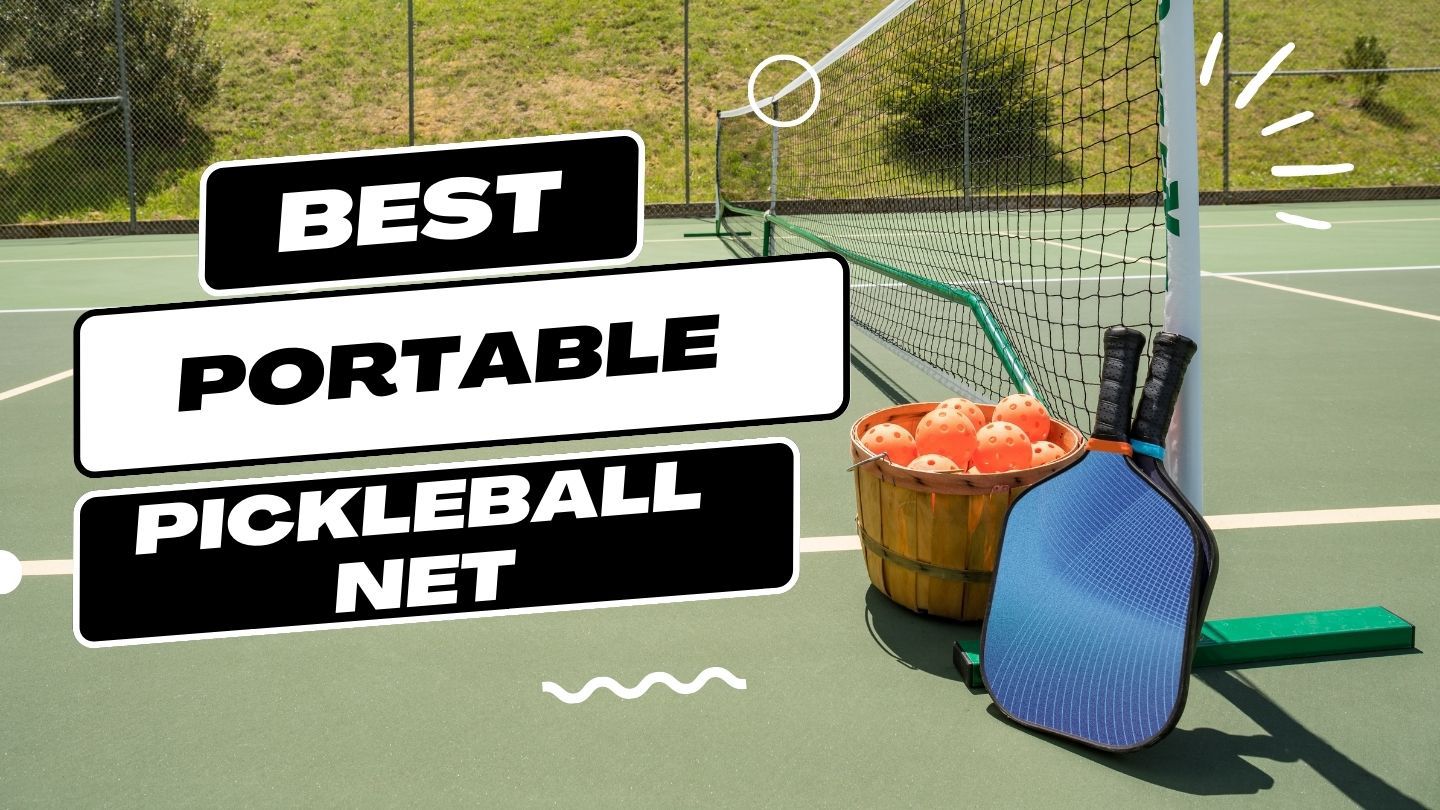
The net is an essential part of any pickleball court, separating the two sides and ensuring fair play. The height of the net is consistent for both singles and doubles play, measuring 36 inches at the sidelines and 34 inches at the center. The lower height at the center helps to compensate for the natural sagging that may occur over time.
The net width should be as follows:
- 20 feet (Same as the overall court width)
When setting up the net, it should be taut and reach the top of the posts on either side. The net posts should be placed outside the court boundaries to avoid interfering with the gameplay.
.
In pickleball, the area outside the court boundaries is considered out-of-bounds. These lines determine the limits of the playing area and help players determine whether a shot is in or out. The out-of-bounds lines are typically painted with a contrasting color to make them easily visible during gameplay.
The out-of-bounds lines should be as follows:
- Length: 44 feet (Same as the overall court length)
- Width: 20 feet (Same as the overall court width)
All shots landing outside these lines are considered out, and play stops immediately. It's important to note that the non-volley zone does not extend beyond the area defined by the out-of-bounds lines.
The service area is the section of the court where players must stand when serving the ball. It is located behind the baseline and between the singles and doubles sidelines. Similar to other dimensions on the pickleball court, the service area varies depending on whether you are playing singles or doubles.
Service Area for Singles Play:
- Length: 15 feet
- Width: 10 feet
Service Area for Doubles Play:
- Length: 10 feet
- Width: 20 feet
These dimensions ensure that players have enough room to serve the ball without stepping on or over the service boundaries.
Can I modify the dimensions of a pickleball court for recreational play?
Yes, you can modify the dimensions of a pickleball court for recreational play. As long as you maintain the basic proportions and ensure a balanced playing area, slight adjustments can be made to fit the available space. However, it's always best to adhere as closely as possible to the official dimensions to ensure a consistent playing experience.
Are there any specific measurements for the court surface?
There are no specific measurements for the court surface itself, as long as it is level and free from any major obstructions or hazards. However, it is recommended to use a hard surface like asphalt or concrete to ensure optimal ball bounce and player safety.
Can I use temporary lines to mark a pickleball court?
Yes, temporary lines can be used to mark a pickleball court as long as they are clearly visible and do not interfere with gameplay. There are various options available, including removable tape or paint, chalk, or even portable pickleball court kits.
Do I need to install fencing around the court?
Fencing is not a mandatory requirement for a pickleball court, but it is recommended to have some form of barrier to prevent balls from rolling out of bounds and to add a level of safety. The height and type of fencing can vary depending on personal preferences and local regulations.
Are there any specific guidelines for lighting?
While there are no specific guidelines for lighting in pickleball, it is important to ensure adequate illumination for safe gameplay, especially for evening or indoor play. Bright, evenly distributed lighting that minimizes shadows is beneficial for both players and spectators.
Are there any regulations for official tournaments?
Yes, official tournaments adhere to specific regulations and guidelines set by governing bodies such as the USA Pickleball Association (USAPA). These regulations ensure fair play and consistency across tournaments, including court dimensions, net height, and other specifications.
Pickleball court dimensions play a crucial role in the game, providing players with a fair and standardized playing area. Whether you're a beginner or an experienced player, understanding these dimensions is essential for enjoying the game to its fullest. From the overall size of the court to the dimensions of the non-volley zone and the net, each aspect contributes to the strategic and dynamic nature of pickleball. So, whether you're planning to build your own court or simply looking to improve your game, make sure to keep these dimensions in mind for a thrilling pickleball experience.

How To Choose a Pickleball Paddle 2024 - Beginner Must Read
Can You Play Pickleball on Grass? Pros, Cons & Expert Tips
How Long Does a Pickleball Game Last?
The Double Bounce Rule in Pickleball Explained 2024
What is a Volley in Pickleball? The Important and Type of Volley
Pickleball Paddle Thickness: Finding the Perfect Core
Graphite vs Fiberglass Pickleball Paddles: Which One is Right for You?
What Is Stacking In Pickleball - Comprehensive Beginner's Guide
.jpg "best pickleball paddles for beginners")